
As a professional manufacturer of activated carbon and water filter media, we often receive inquiries from customers reporting poor filtration performance after installing carbon filters. Many customers directly assume the activated carbon product is defective. In fact, ineffective filtration rarely comes from product quality. The three leading causes are adsorption saturation, improper influent pH and contaminant overload. In this blog, our technical team shares professional knowledge, troubleshooting tips and targeted product recommendations to help you run your water filtration system stably.
1. Adsorption Saturation: The Limited Adsorption Capacity of Activated Carbon
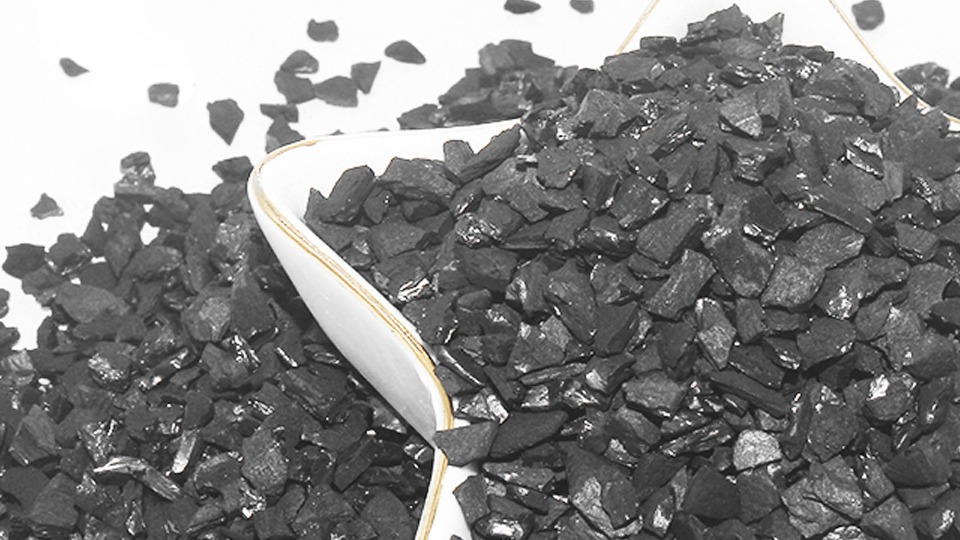
Activated carbon purifies water by physical adsorption. Rich micro-pores on carbon granules capture organic contaminants, residual chlorine and odor molecules. However, every type of activated carbon has a fixed adsorption capacity and cannot absorb pollutants endlessly.
Once all adsorption sites are occupied, carbon can no longer trap new impurities. In severe cases, previously adsorbed substances may release back into water and cause secondary pollution. The service life of carbon is determined by water volume, flow rate and raw water quality. Simply replacing carbon according to calendar time may lead to premature waste or unexpected water quality failure.
Our recommendation: For long-cycle water treatment projects, select high-capacity coal-based activated carbon with developed micropores to extend service cycles and reduce replacement frequency.
2. Improper Influent pH Will Suppress Adsorption Efficiency
Influent pH greatly impacts adsorption results. Most activated carbon works optimally under neutral to weakly alkaline conditions. Strongly acidic or strongly alkaline raw water changes the surface charge of carbon particles. Contaminant molecules turn into ionic forms and cannot stick firmly to the carbon surface, even with brand-new filter media.
If your raw water has unstable pH values, carbon filtration alone cannot guarantee stable effluent quality. Pre-treatment is required before the carbon filter tank.
Our recommendation: Our technical team can provide customized suggestions for your working conditions. If your water has frequent pH fluctuation, we recommend adding pH adjustment facilities before carbon filters, paired with our acid-resistant activated carbon for special water scenarios.
3.Contaminant Overload: Excessive Pollutants Beyond System Design
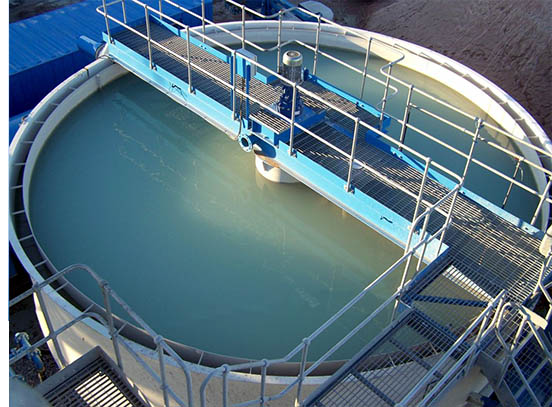
Each filter system is designed with a maximum contaminant load. When raw water carries excessive suspended solids, organics or heavy metals, carbon pores get blocked rapidly. High turbidity particles plug the carbon surface before adsorption saturation, increasing system pressure and shortening carbon service life sharply.
Many projects skip pre-filtration, which is one of the most common mistakes in water system design. Suspended solids quickly foul activated carbon and ruin the whole filtration effect.
4. Practical Operation & Maintenance Guidance
- Test influent and effluent water regularly to track pollutant concentration, pH and turbidity, so you can judge carbon status accurately.
- Replace or regenerate carbon media once saturation is confirmed.
- Reduce inflow velocity properly to extend contact time between water and carbon. Carry out regular backwashing to remove intercepted suspended solids.
Conclusion
From our manufacturer’s perspective, poor activated carbon performance is usually caused by unsuitable operating conditions rather than product defects. Before replacing your filter media, check adsorption saturation, influent pH and contaminant load first.
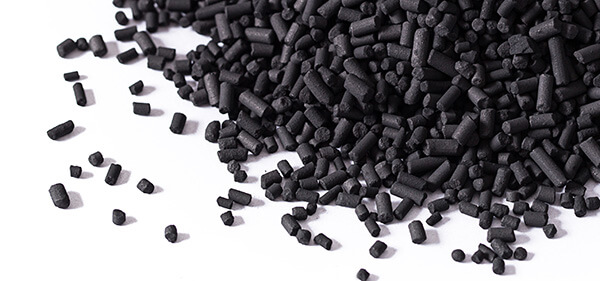
Our factory offers diversified activated carbon products . Share your raw water test data and system parameters with us. We will recommend the most suitable carbon type and loading plan to maximize filtration efficiency, stabilize water quality and cut your long-term operating costs.